 Ivy Psychology
How Poor Sleep Affects Your Mental Health (And What Actually Helps)
If you've ever spent a few nights sleeping badly, you already know that sleep is not a luxury. It's the foundation under everything else.
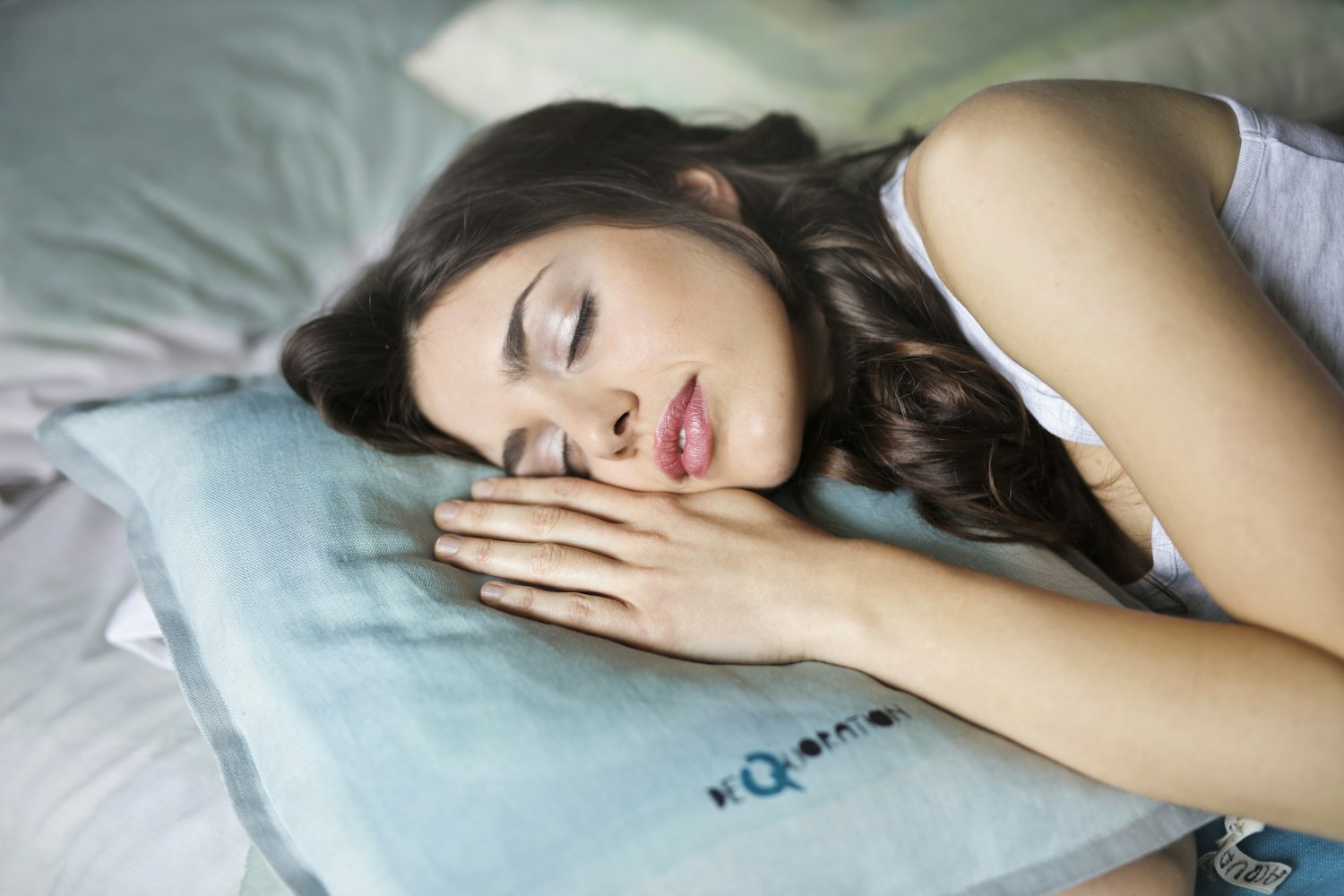
If you have ever spent a few nights in a row sleeping badly, you already know that sleep is not a luxury. It is the foundation under everything else. When sleep falters, mood, concentration, and emotional regulation falter with it. When sleep is consistently poor, the effects compound, and the consequences for mental health are significant.
This post sets out what the research says about the sleep and mental health relationship, why it is bidirectional, and what actually helps when sleep is not working.
How sleep and mental health interact
The relationship between sleep and mental health is not a one-way street. Poor sleep makes mental health conditions worse, and mental health conditions disrupt sleep. The two reinforce each other in ways that can be hard to disentangle without support.
When sleep is consistently inadequate, the brain's emotional regulation systems take a hit. The amygdala, which processes emotional responses, becomes more reactive. The prefrontal cortex, which regulates and contextualises those responses, becomes less effective. The result is that small frustrations feel larger, anxiety threshold drops, and capacity for patience and perspective narrows.
At the same time, the body's stress response stays elevated. Cortisol patterns shift. Inflammation rises. The systems that should be doing their housekeeping work overnight do not get the time they need, and the cost shows up across mood, energy, and cognition.
The conditions most closely tied to sleep
Anxiety and sleep have a circular relationship. Anxious thoughts make it hard to fall asleep, broken sleep makes anxiety harder to manage the next day, and the cycle reinforces itself.
Depression has well-documented effects on sleep, including both insomnia and hypersomnia. Sleep disruption is one of the most common signs that depression is emerging or worsening.
Trauma and PTSD frequently involve nightmares, hyperarousal, and difficulty staying asleep. Sleep is often one of the slowest things to fully recover in trauma treatment.
ADHD is associated with delayed sleep onset, restless sleep, and difficulty waking, partly due to differences in circadian rhythm regulation.
Bipolar disorder is particularly sensitive to sleep. Loss of sleep can trigger mood episodes, and protecting sleep is one of the cornerstones of stabilisation.
What does not help (despite being everywhere)
Sleep hygiene advice has saturated the internet, and some of it is genuinely useful. Some of it is not, or is so basic that it stops being useful once you have already tried it. If you have been struggling with sleep for months, you have probably read the standard list a dozen times and found it lacking.
What tends not to help, on its own, includes melatonin taken without timing strategy, blue-light glasses, generic apps, white noise, and longer time in bed. These are not harmful, but they rarely move the dial for someone with established sleep problems.
What actually has evidence behind it
For chronic insomnia, cognitive behavioural therapy for insomnia (CBT-I) is recommended as a first-line treatment in clinical guidelines, including those from the Australasian Sleep Association. CBT-I works on the patterns that maintain insomnia: time in bed, association between bed and wakefulness, sleep-related thoughts, and pre-sleep arousal. It is typically delivered over four to eight sessions.
For sleep affected by anxiety or low mood, addressing the underlying mental health condition is often the most direct route to better sleep. Treating the anxiety improves the sleep, more than treating the sleep on its own would.
For sleep disrupted by trauma, trauma-focused therapy tends to produce sleep improvements as the trauma itself becomes more processed, although direct work on nightmares (such as imagery rehearsal therapy) can also help.
The basics that genuinely do help
- Consistent wake time matters more than consistent bedtime. The body's clock anchors to when you wake up.
- Natural light in the first hour after waking sets the circadian rhythm for the day. Even on a cloudy morning, outdoor light is much stronger than indoor.
- Caffeine has a long half-life. A coffee at 2pm is still pharmacologically active at 10pm for many people.
- Alcohol fragments sleep, even when it helps you fall asleep more easily.
- The bedroom is for sleep and intimacy only. Working, scrolling, eating, and worrying in bed train your brain to associate the space with wakefulness.
- If you are awake in bed for more than around twenty minutes, get up and do something low-stimulation in dim light, then return when sleepy.
When to seek help
If poor sleep has lasted more than a few weeks and is affecting how you feel during the day, it is worth talking to someone. Your GP can rule out medical contributors and refer you to a psychologist or sleep medicine physician if needed. Sleep problems are usually treatable, and the improvement in everything else that comes with sleeping well is one of the more rewarding parts of mental health work.